Maintenance Tips From Professional Deck Builders

Deck Builders Franklin TN

Maintaining a wood deck requires careful attention to surface, structural, and hardware conditions. Moisture meters and torque tools help diagnose shifting ledger boards, rotted joists, loose railings, and other issues.

Deck Builders routines prevent problems before they occur. Sweep often to remove dirt, debris, and organic stains that trap moisture against surfaces and accelerate wood deterioration. Wash with a mild cleaner and rinse thoroughly.

Keep It Clean

A deck provides a space for relaxation and socializing, but it can also add value to your home. It’s important to keep it clean and free of debris, dirt, and stains to ensure that it looks great and functions properly. These tips from professional deck builders can help.

Whether your deck is made of wood, composite, or PVC, it needs to be cleaned regularly. A dirty deck is more prone to damage, and can easily turn into an unpleasant place to spend time.

When cleaning your deck, it’s important to use the right cleaners and brushes for the material type you have. For example, wood stains require special solvents to remove them, while composite and PVC decks can be safely cleaned with soap or all-purpose cleaners. Using the right tools will make the process faster and easier.

Before attempting to clean your deck, clear the area of any furniture, potted plants, or other items. This will help you reach hard-to-reach spots. It’s also a good idea to wear rubber gloves and a face mask when using any cleaning products. Aggressive scrubbing or harsh chemicals can damage the deck, so it’s best to let it air dry afterward.

If you’re going to stain your deck, it’s generally recommended that you wait 3-6 months after cleaning to allow the wood to fully absorb the stain. It’s also a good idea for a newer deck to be cleaned before staining to remove any mill scale and other debris that may have settled over time.

When hiring a deck builder, it’s helpful to ask for references from past clients and see examples of their work. This will give you a better sense of their work quality and how they approach each project. A reputable deck builder will be happy to provide these references and examples of their work.

It’s also important to check that the deck is properly fastened to the house and supported by joists. If the ledger boards are not fastened correctly, or if there is no flashing above them, water could leak into the house and cause structural damage.

Inspect It Regularly

Decks are exposed to a lot of elements all year round, including ground moisture, sun’s harmful UV rays, and freeze-thaw cycles. These harsh conditions can cause damage to the wood and metal components of your deck. The best way to prevent major problems and extend the life of your deck is through regular inspections and quick repairs.

Start with a walk-around inspection, looking for signs of damage and wear. Check for loose boards, fasteners, and other hardware. Look at stair railings to make sure they can hold up to normal loads without sagging or showing signs of detachment. Examine handrails for stability and proper spacing, and ensure they are attached to the balusters with a minimum of two inches of clearance between them. Check for splinters and other hazards that can create trips or falls.

Joists and framing should be structurally sound, and free from rot, insect infestation, or other forms of deterioration. The ledger board should be properly secured with lag screws or bolts, and the flashing installed to prevent water from infiltrating the areas where the deck attaches to the house and causing wood rot. Examine the support posts for cracks or deterioration and make sure they are in contact with soil with a minimum of four inches of coverage.

Decks can be complicated to inspect, especially if they’re built above ground level or over other structures. This is why many homeowners and builders choose to hire a professional inspector for a more thorough assessment of the structure. They use specialized tools and knowledge of building codes to look at all aspects of the deck, from how it attaches to the house to its safety features like stairs and railings. In addition, they are able to identify nuances between wood species and can recommend improvements for a more long-lasting and durable structure. They also provide a written notice of any repairs needed and can consult with the homeowner or builder to begin correcting them. These services can save both time and money in the long run, by preventing costly repairs or replacements of damaged materials.

Reapply Sealants

Decks that aren’t sealed can suffer from a variety of problems, including moisture damage. This can cause the wood to warp, crack, or splinter and leads to the need for frequent cleaning. In addition, water can promote the growth of mildew and mold. Choosing to have your deck properly sealed can prevent these issues and extend its lifespan, saving you money in maintenance costs.

During the deck installation process, professional installers use a quality sealant to protect your investment. This prevents rain, snow, and meltwater from seeping into the deck and causing moisture damage. The sealant also helps to preserve the natural color of the wood and provides some UV protection. There are several different types of sealants available, so choose one that fits your needs and budget.

Before applying the sealant, make sure the deck is completely clean. This includes removing any loose debris and power-washing if necessary. It’s important to let the deck dry before sealing, as the preservatives in the wood need time to absorb into the surface. It’s also a good idea to wait about a year before sealing a brand-new deck. This allows the wood to “settle,” and makes for a more even finish.

When it comes to choosing a sealant, there are several options available, including clear sealants and pigmented stains. Clear sealants are typically less expensive, but they don’t offer as much UV protection. Stain, on the other hand, offers a variety of tints to match the color of your deck, while still protecting the wood from sunlight.

The best choice depends on your budget, style preferences, and climate. If you’re unsure which option is right for you, contact a professional to get advice. They will be able to recommend the best type of stain or sealant for your deck. Working with a professional can help to ensure that your deck is strong, safe, and beautiful for years to come. It can also save you thousands of dollars in repair and replacement costs. A well maintained deck adds value to your home, so take the time to perform regular maintenance to keep it looking and functioning its best!

Check for Damage

Decks are beautiful outdoor living spaces that enhance the value of a home. However, they’re also exposed to moisture, UV rays and pests. This makes it important to maintain a maintenance routine that minimizes damage and maximizes the longevity of this valuable feature.

Taking the time to regularly inspect a deck for signs of rot, loose boards, or splintered wood helps prevent these issues from growing out of control and costly to repair. In addition, addressing small problems like loose screws and reapplying sealant can reduce the need for extensive repairs in the future.

Inspecting a deck in spring and summer can help identify potential problems before they cause structural instability. It’s also a good time to apply non-slip treatments to reduce the risk of falls, especially when wet. In the fall, it’s important to clear debris and reapply sealants that protect against sun damage and moisture.

Professionals know that the right materials make a difference when it comes to a quality finish and long-term durability. They consider up-front costs and future maintenance requirements to ensure a high return on investment. For instance, composite decking is more expensive upfront, but it saves on staining and resealing costs in the long run.

The do’s and don’ts of deck maintenance include avoiding chemicals that erode the materials. While rock salt is a standard winter deicing choice, it can eat away at wood fibers, corrode fasteners and discolor composite decking. Deck builders recommend using a water-based deicer that is safe for outdoor use.

A deck is a wonderful place to gather, cook and relax. It’s also a great place to play with kids and pets. By following these easy maintenance tips, homeowners can enjoy their outdoor decks for years to come.


Home Repair Services Vs DIY Repairs

Home Repair Services Mt Juliet

DIY projects are budget-friendly and provide a sense of accomplishment. However, when mistakes are made, they can result in costly repairs.

Homeowners must decide when to tackle a project themselves and when to hire professional handyman services. The decision depends on many factors including skill level, complexity of the repair, and time constraints.

Cost

Homeowners can choose whether to tackle DIY tasks for cost savings or call in professional services with assurances of quality and safety. Deciding when to DIY and when to hire experts requires careful assessment of skill levels, potential risks, and project complexity. It also reflects a commitment to the integrity of one’s property.

It is important to recognize that the upfront costs of DIY projects can be significant. Purchasing tools and making multiple trips to the store can add up. Labor is another major expense. Hiring professionals generally costs $150 to $250 per hour, with associated guarantees. This can add up, especially if mistakes are made.

Choosing the right DIY projects can help homeowners save money and maintain their homes efficiently. Some projects are simple enough to manage on one’s own, such as painting and wallpapering. Simple carpentry jobs, such as installing shelves and assembling furniture, can also be easily accomplished. Repairing a leaky faucet or unclogging a drain are other simple, DIY-friendly fixes.

However, homeowners should consider hiring professionals for projects involving structural elements or electrical systems. Mistakes resulting from the lack of proper expertise can damage the home’s value and cause personal injury or costly repairs. These errors may even result in the voiding of warranties or unsafe conditions.

Homeowners should also seek professional help when it comes to appliances. Appliances like icemakers and commercial equipment require specialized knowledge for troubleshooting and repairing. Attempting to fix these complex issues on your own can lead to expensive damage, wasted time, and potentially voiding of warranties.

It’s always tempting to take on a DIY project to save money. But be sure to weigh the cost of doing it yourself against the long-term cost of the project. For example, replacing standard light bulbs with smart ones may seem relatively easy, but it’s best left to a licensed electrician. The same goes for upgrading ductwork or implementing an energy-efficient water heater. Hiring professionals ensures quality results, which can reduce future expenses.

Time

While DIY projects are cheaper than hiring professionals, they can become expensive if mistakes are made. In addition to labor costs, shoddy repairs can cause additional damage and may require costly replacements in the future. Hiring professionals, on the other hand, may initially cost more, but their hourly rates can save you money in the long run. Professionals also use high-quality materials that will last longer and prevent future problems.

When deciding on whether or not to tackle a home repair project, consider the amount of time you can dedicate to the task and your skill level. Basic tasks like painting or applying wallpaper can be rewarding and fun, while more complicated projects like repairing plumbing or electrical issues are better left to the experts.

Another important consideration is the cost of tools and supplies. Purchasing high-quality tools will make the difference between a successful project and a failed one. Invest in a well-stocked toolbox that includes the basics you need for most home repairs and build your collection over time. This will keep you from having to purchase additional tools or make multiple trips to the store, saving you both time and money.

Depending on the complexity of the project, you might need to spend more time researching and learning how to complete a repair. This can be a drain on your time, making it difficult to accomplish other important tasks. However, this process will help you gain the knowledge needed to successfully complete future projects on your own.

It’s essential to consider the impact of a failed DIY project on your budget before diving in. Many projects go over-budget, due to the need for extra materials or unexpected issues that arise during the course of work. This can be a costly mistake, especially if you’re unable to afford the additional expense.

Choosing to hire professional handyman services, such as Quick Care Home Repair, is a smart investment that can save you money in the long run. Their certified technicians have the experience and expertise necessary to tackle complex repairs quickly, safely, and efficiently.

Safety

The DIY (Do-It-Yourself) culture fueled by endless online tutorials makes it tempting for many homeowners to tackle home repairs on their own. However, DIY repair projects can be costly and hazardous if not executed properly. While some tasks, such as painting and installing wallpaper, are beginner-friendly, others require a level of expertise beyond the average homeowner. Some of these include plumbing, electrical and HVAC repairs. These jobs should be left to professionals like ServiceOne to ensure your safety and the long-term durability of your home.

While DIY projects can provide a sense of accomplishment and cost savings, it’s important to evaluate your own skill level and the complexity of the issue before taking on a project. For example, attempting to fix a complex appliance that requires specialized knowledge could cause more damage and lead to higher repair costs in the future. Other factors to consider include the urgency of the problem and the importance of the appliance in your daily life.

In addition, it’s important to keep in mind that DIY projects can take more time than expected and disrupt your daily routine. This is especially true for those who are inexperienced with home repairs, making it easy to fall behind schedule and incur additional costs. Professional repair services can be faster and more efficient than DIY projects, reducing both your upfront and long-term expenses.

Ultimately, the decision to DIY or hire a professional comes down to balancing cost, time, and expertise. For minor or urgent issues that aren’t complicated, DIY might be the right choice. Otherwise, it’s best to leave certain repairs to professionals like Quick Care Home Repair. This ensures your appliances are functioning correctly and safely while saving you the stress of trying to handle the work yourself. To help make the right decision for your needs, be sure to stay informed and keep records of all your maintenance work, including insurance documents, home warranty information, and utility contacts. This way, if something goes wrong during a DIY repair job, you’ll have all the documentation you need to file a claim with your insurer.

Expertise

There is a certain sense of empowerment and skill development that comes from handling home maintenance tasks yourself. However, it is also important to know when it is best to call a professional. Deciding when to DIY and when to call in a pro can save homeowners time, money, and frustration. The key is balancing cost, personal satisfaction, and expertise to find the right solution for each home repair.

Many homeowners are tempted by the promise of a savings on home repair costs when they choose to do it themselves. However, this can end up costing them more in the long run. DIY projects that are not completed correctly can result in further damage or even health hazards. Additionally, if the homeowner uses poor-quality tools or materials, they may incur additional expenses when the project needs to be repaired or replaced in the future.

For some repairs, such as painting or wallpapering, the upfront cost is minimal. Furthermore, these jobs can be easily performed by homeowners who have basic knowledge and access to the right tools. For more complex DIY projects, such as plumbing repairs or electrical upgrades, it is crucial to seek professional assistance to ensure safety and efficiency.

Hiring a professional handyman can often be more expensive than DIY options, but it provides peace of mind and a quality finish that will last for years to come. Moreover, the expert will be able to diagnose and fix problems quickly and efficiently. Additionally, the professional will provide a warranty on their work, ensuring that any problems will be fixed immediately.

While it is tempting to save on home repair costs by tackling tasks yourself, it is important to recognize the limitations of your own skills and resources. For most homeowners, balancing cost, time, and expertise is the best way to ensure a healthy and well-maintained home. To learn more about when to DIY and when to call a professional, check out HomeMembership. Our tool offers step-by-step DIY repair guides and connects you with licensed professionals for repairs that require a professional touch.

Expert Water Damage Repair Services to Protect Your Property from Further Damage

Water damage can quickly turn a minor issue into a major property concern if not addressed promptly and professionally. From leaking pipes and appliance malfunctions to storm-related water intrusion, excess moisture can compromise structural materials, create health hazards, and lead to costly repairs.

Expert Water Damage Repair Salt Lake City services are designed to protect your property from further damage by responding quickly, removing moisture effectively, and restoring affected areas with precision.

water damage

Understanding How Water Damage Spreads

Water has a unique ability to travel beyond its original entry point. Once inside a structure, moisture can move through walls, floors, and ceilings, soaking into porous materials such as drywall, insulation, wood, and carpeting. What begins as a localized issue can spread rapidly, affecting large portions of the property.

If left untreated, spreading water damage may result in:

  1. Warped or weakened structural materials
  2. Deterioration of flooring and wall surfaces
  3. Electrical system risks due to moisture exposure
  4. Persistent odors and declining indoor air quality

Expert water damage repair services focus on identifying and stopping this spread before it leads to more severe problems.

The Importance of Immediate Professional Response

Time is a critical factor in water damage repair. Within the first few hours, water begins to penetrate deeply into building materials. After 24 to 48 hours, the risk of mold growth increases significantly. Delaying repairs can lead to extensive damage that requires more invasive and expensive restoration.

Professional water damage repair services prioritize:

  • Rapid assessment of the situation
  • Immediate water removal to prevent further saturation
  • Controlled drying to stabilize affected materials

This swift response helps limit damage and protects the long-term integrity of the property.

What Sets Expert Water Damage Repair Services Apart

Not all water damage repair approaches deliver the same results. Expertise makes a measurable difference in how thoroughly moisture is removed and how effectively the property is restored.

Specialized Knowledge and Training

Experienced technicians understand how different materials respond to water exposure. They can determine which components can be dried and restored and which require replacement. This knowledge helps prevent future issues caused by hidden moisture or incomplete repairs.

Advanced Moisture Detection

Hidden moisture is one of the biggest threats following water damage. Expert services use advanced detection tools to locate water behind walls, under flooring, and within ceilings. Identifying these areas early prevents unseen damage from worsening over time.

Proven Restoration Techniques

Expert water damage repair services follow industry-recognized procedures designed to ensure consistent and reliable results. These techniques are tailored to the specific type and severity of water damage present.

The Water Damage Repair Process Explained

A structured and methodical repair process is essential for protecting a property from further damage. Expert services follow a clear sequence of steps to ensure no detail is overlooked.

Comprehensive Inspection and Assessment

The process begins with a detailed inspection to identify the source of the water intrusion and evaluate the extent of the damage. Moisture mapping helps determine which areas are affected and guides the development of a targeted repair plan.

Efficient Water Extraction

Standing water is removed using high-powered extraction equipment. Rapid water removal reduces the amount of moisture absorbed by surrounding materials and shortens the overall drying time.

Controlled Drying and Dehumidification

After extraction, professional-grade air movers and dehumidifiers are strategically placed to remove residual moisture. Controlled drying prevents secondary damage such as warping, cracking, and microbial growth.

Cleaning, Sanitizing, and Odor Control

Water damage often introduces contaminants and unpleasant odors into the property. Expert repair services include thorough cleaning and sanitizing to restore a safe and comfortable environment. This step is especially important when water intrusion affects living or working spaces.

Structural Repairs and Restoration

Once the property is fully dry and clean, repairs can begin. Damaged drywall, flooring, insulation, and other materials are repaired or replaced to restore the property’s appearance and functionality. The goal is to return the space to its pre-damage condition while ensuring long-term stability.

Protecting Your Property from Mold and Mildew

Mold is a common and serious consequence of water damage. It thrives in damp environments and can begin growing within days of water exposure. Mold not only damages building materials but can also impact indoor air quality.

Expert water damage repair services help prevent mold by:

  1. Removing moisture thoroughly from all affected areas
  2. Applying antimicrobial treatments when appropriate
  3. Monitoring moisture levels throughout the drying process

By addressing moisture at its source, professional repair services significantly reduce the risk of mold-related issues.

Residential Water Damage Repair Considerations

Homes require a careful and personalized approach to water damage repair. Living spaces, personal belongings, and indoor air quality must all be protected during the restoration process.

Expert residential water damage repair services focus on:

  • Minimizing disruption to daily life
  • Preserving salvageable materials and belongings
  • Ensuring a healthy living environment after repairs

This attention to detail helps homeowners recover quickly and comfortably.

Commercial Water Damage Repair Considerations

In commercial settings, water damage can lead to operational downtime, financial losses, and safety concerns. Expert water damage repair services understand the urgency of restoring business environments efficiently.

Key priorities for commercial properties include:

  1. Rapid response to reduce downtime
  2. Safe restoration of workspaces and common areas
  3. Compliance with safety and cleanliness standards

Professional services help businesses resume normal operations while protecting their assets and reputation.

How Expert Repair Services Reduce Long-Term Costs

While professional water damage repair may seem like a significant investment, it often saves money in the long run. Incomplete or improper repairs can lead to recurring damage, mold growth, and structural issues that require extensive future repairs.

Expert services reduce long-term costs by:

  • Addressing hidden moisture that could cause future problems
  • Using proper drying techniques to prevent material failure
  • Restoring the property correctly the first time

This proactive approach protects the property’s value and longevity.

Preventative Steps to Minimize Future Water Damage

Although expert repair services are essential after an incident, prevention plays a key role in protecting properties from future damage. Regular maintenance and early detection can significantly reduce risk.

Helpful preventative measures include:

  1. Inspecting plumbing systems and appliances regularly
  2. Addressing leaks and moisture issues immediately
  3. Maintaining proper ventilation and humidity control
  4. Monitoring areas prone to water exposure

Combining preventative care with professional repair services provides comprehensive property protection.

The Value of Ongoing Monitoring and Maintenance

Even after repairs are complete, ongoing monitoring ensures that moisture levels remain stable and that no hidden issues develop. Expert services often recommend follow-up inspections to confirm the success of the restoration.

Consistent monitoring provides peace of mind and helps property owners catch potential problems early.

Long-Term Benefits of Expert Water Damage Repair Services

Expert water damage repair services offer benefits that extend beyond immediate restoration. Thorough repairs improve structural durability, enhance indoor air quality, and restore comfort and safety to the property.

Professional repair also helps identify underlying vulnerabilities, allowing property owners to take corrective action before future damage occurs.

Water damage poses a serious threat to any property, but expert water damage repair services provide the protection needed to prevent further damage and ensure effective restoration. Through rapid response, advanced moisture detection, and comprehensive repair techniques, professional services safeguard both residential and commercial properties.

By choosing expert water damage repair services, property owners can address water damage confidently, protect their investment, and restore their spaces to a safe, functional, and comfortable condition. Acting quickly and relying on professional expertise is the key to preventing long-term damage and achieving lasting property protection.

How Often Should You Schedule Septic Tank Pumping?

https://septic-guys.com/

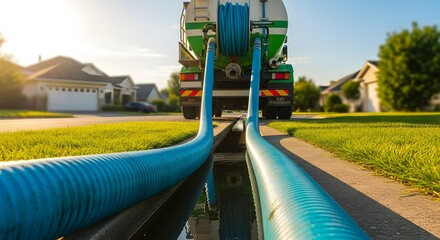
Septic tank pumping is an important part of routine maintenance that can prevent costly septic system failure. Keeping up with this service can help reduce the amount of biomat that enters your drain field, which can clog and pollute your soil and water supply. Visit https://septic-guys.com/ for more information.

Septic Tank Capacity

Typically, your septic tank needs to be pumped when the sludge and scum layers take up more than 30% of the entire volume. This can cause clogging in the drainage field and reduce efficiency. However, many factors influence how often your septic system needs to be pumped. These include the number of people living in your home, the size of your septic tank, and your water usage habits.

The septic tank collects wastewater from sinks, toilets, and showers, then holds it in an anaerobic environment where bacteria break down some of the solid waste. It also separates grease, oils, and lighter materials, which rise to the surface of the septic tank as scum. The clearer liquid in the middle of your septic tank flows out into your drain field. The sludge layer that accumulates on the bottom of your tank contains indigestible solid waste. Because it doesn’t decompose, this layer can clog your pipes and lead to drainage field failure. Regular monitoring and pumping of your septic tank reduces this risk.

A septic tank must be the right size for your household to function properly. An oversized tank costs more upfront and won’t serve you as well as a smaller one. Choosing the wrong size can lead to overflows and environmental hazards, plus you’ll face the cost of replacing your drainfield.

You can avoid a costly mistake by having your septic tank professionally inspected before buying or installing a new septic system. A professional can assess your house’s water use and family size to determine the best septic tank capacity. They’ll also look at your drainage field to ensure it can adequately handle wastewater from your septic tank.

Once you have your septic tank inspected, monitor your sludge and scum levels. If the sludge layer reaches 1 foot at the bottom of your tank or if the scum level is within 6 inches of your tank outlet, you should have it pumped out. Regular inspections and monitoring of your septic system’s condition can help you extend its lifespan and prevent costly repairs.

Garbage Disposal

As wastewater enters your septic tank, it separates into three layers. Heavy solids sink to form a sludge layer, grease and lighter materials float to the top of the tank to create a scum layer and a liquid in between is called effluent. Depending on the size of your septic tank, its location and other factors that influence how your home or business is used, a typical residential system requires regular pumping every 3 to 5 years.

The tank’s bacterial ecosystem is tuned to break down human waste. When regular loads of kitchen scraps flow into the tank, the ecosystem is disrupted, decomposition slows, and solids accumulate faster. This can lead to the inefficient and premature breakdown of your septic system, as well as soil contamination.

Your septic system’s drain field consists of a network of gravel trenches that slowly and efficiently filter and process waste from your household. When sewage flows through your plumbing, it is partially treated by bacteria in the septic tank and fully treated as it passes through the drainfield.

The septic tank is at the heart of your septic system, but it is not the entire septic treatment system. The rest of the septic system relies on your water habits and usage to help break down solids, and it requires proper maintenance and treatment to function correctly.

Regular septic system inspections and routine septic tank pumping are the best way to protect your investment. With proper maintenance, your septic tank should last decades and provide reliable sewage treatment to your property.

Many people don’t pay attention to septic system maintenance, and even those who do can still run into problems. If you don’t understand how your septic system works, what influences its needs and how to maintain it properly, you may be in for costly surprises when it breaks down. If you don’t have a professional septic tank maintenance plan, you should consider getting one to ensure your septic system operates as it should. You also should be cautious of septic tank additives. While they might seem like a quick fix to your septic tank issues, most septic professionals are skeptical of these products.

Number of People in the House

The number of people living in your home directly influences how often your septic tank needs to be pumped. Larger families require pumping more frequently due to higher wastewater volume and more solids buildup. Regular inspections help fine-tune this schedule based on your specific household usage patterns.

When your family’s waste disposal system is fully functioning, the sludge and scum layers should not reach more than 1 foot at the bottom of the tank or 6 inches at the top. These are key indicators that it’s time to schedule a tank pumping session.

However, if you plan to host social events or have guests staying at your house for a extended period of time, the septic system may be overwhelmed with more wastewater than usual. This can cause the leach field to become clogged with waste and not allow it to flow properly into the absorption area. It’s best to have the septic tank pumped prior to these large events to avoid potential damage to your leach field.

Another common reason for an overfull septic tank is the excessive use of your laundry machine. Having heavy loads of laundry run back-to-back doesn’t give your septic tank enough time to treat the wastewater before it floods your leach field with excess water. To prevent this, you can spread out the washing of heavy clothing over several days rather than completing all the laundry in one day.

You should also monitor your septic tank for warning signs that it’s full. Slow drains, unpleasant odors, and damp areas in your yard are clear indications that your septic tank is nearing its capacity and needs to be pumped soon. Keep in mind that an open septic tank is dangerous and should only be accessed by trained professionals. Falling into a septic tank can result in suffocation or drowning. It’s important to take caution around these tanks and always keep children and pets away from them. Keeping detailed records of all inspections, pumping sessions, and repairs ensures your septic system is well-maintained throughout its lifespan. These records will also prove valuable if you ever decide to sell your property.

Location

A septic system processes wastewater by separating solid waste layers, settling heavier solids into the tank for later removal, and dispersing liquids safely into the soil. Some factors, such as the number of people living in a home, can affect how quickly the tank fills and needs to be pumped. Other factors, like the use of a garbage disposal and introducing non-biodegradable materials such as wipes or feminine hygiene products, can hasten tank filling times and increase the risk of costly problems. Understanding how the tank works helps you manage your household’s water usage and reduce pumping frequency.

Despite the best of intentions, it’s easy to lose track of your septic tank’s location on your property. It’s best to place a marker at the location so it can be easily found, especially when it’s time to have it pumped out. This can be as simple as a garden stone or a decorative gnome, but it’s important to choose something heavy enough that it won’t blow away or be moved by children playing in the yard.

Another option is to map out the septic tank’s location with the help of your plumber or by consulting a diagram from the county records. This can be helpful for new homeowners as well. This is also an excellent idea for vacation homes or rental properties, since their occupancy and use changes frequently.

The most effective way to determine how often a septic tank should be pumped is to check its condition regularly. Regular monitoring of the system can alert you to any issues and prevent expensive repairs down the road. Watch for signs that your septic system is overflowing or clogged, such as sluggish drainage or sewage backups. Consistent foul odors near the drain field or tank are also warnings that it’s time to call for service.

If you’re concerned that it might be difficult to find your septic tank, talk to your plumber about using a metal probe. This tool is inserted into the ground near the sewer line, allowing you to feel around for flat concrete, fiberglass, or polyethylene that is indicative of a septic tank.