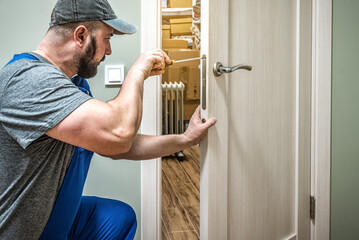
Home Repair Services Vs DIY Repairs

Home Repair Services Mt Juliet

DIY projects are budget-friendly and provide a sense of accomplishment. However, when mistakes are made, they can result in costly repairs.

Homeowners must decide when to tackle a project themselves and when to hire professional handyman services. The decision depends on many factors including skill level, complexity of the repair, and time constraints.

Cost

Homeowners can choose whether to tackle DIY tasks for cost savings or call in professional services with assurances of quality and safety. Deciding when to DIY and when to hire experts requires careful assessment of skill levels, potential risks, and project complexity. It also reflects a commitment to the integrity of one’s property.

It is important to recognize that the upfront costs of DIY projects can be significant. Purchasing tools and making multiple trips to the store can add up. Labor is another major expense. Hiring professionals generally costs $150 to $250 per hour, with associated guarantees. This can add up, especially if mistakes are made.

Choosing the right DIY projects can help homeowners save money and maintain their homes efficiently. Some projects are simple enough to manage on one’s own, such as painting and wallpapering. Simple carpentry jobs, such as installing shelves and assembling furniture, can also be easily accomplished. Repairing a leaky faucet or unclogging a drain are other simple, DIY-friendly fixes.

However, homeowners should consider hiring professionals for projects involving structural elements or electrical systems. Mistakes resulting from the lack of proper expertise can damage the home’s value and cause personal injury or costly repairs. These errors may even result in the voiding of warranties or unsafe conditions.

Homeowners should also seek professional help when it comes to appliances. Appliances like icemakers and commercial equipment require specialized knowledge for troubleshooting and repairing. Attempting to fix these complex issues on your own can lead to expensive damage, wasted time, and potentially voiding of warranties.

It’s always tempting to take on a DIY project to save money. But be sure to weigh the cost of doing it yourself against the long-term cost of the project. For example, replacing standard light bulbs with smart ones may seem relatively easy, but it’s best left to a licensed electrician. The same goes for upgrading ductwork or implementing an energy-efficient water heater. Hiring professionals ensures quality results, which can reduce future expenses.

Time

While DIY projects are cheaper than hiring professionals, they can become expensive if mistakes are made. In addition to labor costs, shoddy repairs can cause additional damage and may require costly replacements in the future. Hiring professionals, on the other hand, may initially cost more, but their hourly rates can save you money in the long run. Professionals also use high-quality materials that will last longer and prevent future problems.

When deciding on whether or not to tackle a home repair project, consider the amount of time you can dedicate to the task and your skill level. Basic tasks like painting or applying wallpaper can be rewarding and fun, while more complicated projects like repairing plumbing or electrical issues are better left to the experts.

Another important consideration is the cost of tools and supplies. Purchasing high-quality tools will make the difference between a successful project and a failed one. Invest in a well-stocked toolbox that includes the basics you need for most home repairs and build your collection over time. This will keep you from having to purchase additional tools or make multiple trips to the store, saving you both time and money.

Depending on the complexity of the project, you might need to spend more time researching and learning how to complete a repair. This can be a drain on your time, making it difficult to accomplish other important tasks. However, this process will help you gain the knowledge needed to successfully complete future projects on your own.

It’s essential to consider the impact of a failed DIY project on your budget before diving in. Many projects go over-budget, due to the need for extra materials or unexpected issues that arise during the course of work. This can be a costly mistake, especially if you’re unable to afford the additional expense.

Choosing to hire professional handyman services, such as Quick Care Home Repair, is a smart investment that can save you money in the long run. Their certified technicians have the experience and expertise necessary to tackle complex repairs quickly, safely, and efficiently.

Safety

The DIY (Do-It-Yourself) culture fueled by endless online tutorials makes it tempting for many homeowners to tackle home repairs on their own. However, DIY repair projects can be costly and hazardous if not executed properly. While some tasks, such as painting and installing wallpaper, are beginner-friendly, others require a level of expertise beyond the average homeowner. Some of these include plumbing, electrical and HVAC repairs. These jobs should be left to professionals like ServiceOne to ensure your safety and the long-term durability of your home.

While DIY projects can provide a sense of accomplishment and cost savings, it’s important to evaluate your own skill level and the complexity of the issue before taking on a project. For example, attempting to fix a complex appliance that requires specialized knowledge could cause more damage and lead to higher repair costs in the future. Other factors to consider include the urgency of the problem and the importance of the appliance in your daily life.

In addition, it’s important to keep in mind that DIY projects can take more time than expected and disrupt your daily routine. This is especially true for those who are inexperienced with home repairs, making it easy to fall behind schedule and incur additional costs. Professional repair services can be faster and more efficient than DIY projects, reducing both your upfront and long-term expenses.

Ultimately, the decision to DIY or hire a professional comes down to balancing cost, time, and expertise. For minor or urgent issues that aren’t complicated, DIY might be the right choice. Otherwise, it’s best to leave certain repairs to professionals like Quick Care Home Repair. This ensures your appliances are functioning correctly and safely while saving you the stress of trying to handle the work yourself. To help make the right decision for your needs, be sure to stay informed and keep records of all your maintenance work, including insurance documents, home warranty information, and utility contacts. This way, if something goes wrong during a DIY repair job, you’ll have all the documentation you need to file a claim with your insurer.

Expertise

There is a certain sense of empowerment and skill development that comes from handling home maintenance tasks yourself. However, it is also important to know when it is best to call a professional. Deciding when to DIY and when to call in a pro can save homeowners time, money, and frustration. The key is balancing cost, personal satisfaction, and expertise to find the right solution for each home repair.

Many homeowners are tempted by the promise of a savings on home repair costs when they choose to do it themselves. However, this can end up costing them more in the long run. DIY projects that are not completed correctly can result in further damage or even health hazards. Additionally, if the homeowner uses poor-quality tools or materials, they may incur additional expenses when the project needs to be repaired or replaced in the future.

For some repairs, such as painting or wallpapering, the upfront cost is minimal. Furthermore, these jobs can be easily performed by homeowners who have basic knowledge and access to the right tools. For more complex DIY projects, such as plumbing repairs or electrical upgrades, it is crucial to seek professional assistance to ensure safety and efficiency.

Hiring a professional handyman can often be more expensive than DIY options, but it provides peace of mind and a quality finish that will last for years to come. Moreover, the expert will be able to diagnose and fix problems quickly and efficiently. Additionally, the professional will provide a warranty on their work, ensuring that any problems will be fixed immediately.

While it is tempting to save on home repair costs by tackling tasks yourself, it is important to recognize the limitations of your own skills and resources. For most homeowners, balancing cost, time, and expertise is the best way to ensure a healthy and well-maintained home. To learn more about when to DIY and when to call a professional, check out HomeMembership. Our tool offers step-by-step DIY repair guides and connects you with licensed professionals for repairs that require a professional touch.

Is Roof Repair Coverage Included in Homeowners Insurance?

Whether or not homeowners’ insurance covers roof repair depends on a number of factors, including the condition of the roof and its materials. In areas prone to frequent storms and high winds, the roof can suffer more wear and tear than in other climates.

Roof Repair

Early detection of damage is crucial to avoid water leaks and structural problems. Check for signs such as moss and algae growth, granules in the gutters, and interior water stains.

While roof repairs are a necessary part of home maintenance, they can be costly. Many factors influence the price of a repair, including location, labor rates, and seasonal demand. Understanding the cost of a repair can help homeowners plan accordingly and make smart decisions when it comes to protecting their investment.

Minor repairs are the most budget-friendly. These include repairing damaged shingles and patching leaks. Other common DIY projects include unclogging gutters, removing ice damage from the roof, and fixing cracked vent booting or skylight leaks.

Moderate repairs are more extensive and include locating and fixing persistent leaks affecting larger areas of the roof. They also involve repairing sections of rotted underlayment and plywood decking. Additionally, these repairs include sagging roof decks, repairing soffit and fascia boards, and addressing any problems with the flashing around chimneys, vents, or skylights.

Major repairs are more complex and may include the replacement of large portions of a roof. This is often required for structural damage or if the roof is nearing the end of its lifespan. While a full replacement is typically more expensive than a repair, it offers significant energy savings and can increase the value of your home.

The cost of roof repair varies depending on the severity of the damage and the type of material used. For example, shingle repairs are generally cheaper than replacing the entire roof. In addition, the size of your roof can also influence the cost of a repair, as contractors charge by the square footage they cover.

When deciding between repair and replacement, it is important to consider the level of damage, the age of the roof, and your financial situation. Repairing a roof is a viable option for localized issues, but it is not a good long-term solution for an aging roof with widespread damage or a high risk of leaks.

A trusted roofing contractor can assess the condition of your roof and provide a detailed estimate. Then, you can make an informed decision that will protect your home for years to come. By staying proactive with annual inspections and scheduling repairs during the off-season, you can keep costs low while ensuring that your roof is protected against severe weather.

Time

There are a variety of factors that can impact the time it takes to complete a roof repair. For example, if the work requires accessing the roof in an unsafe or difficult manner, it may take longer to finish the project. This can include climbing, scaffolding, and using specialized equipment.

In addition, the type and complexity of the roof also influences how long a repair job will take. For example, a simple patch repair of a leaky roof will likely take less time than addressing a large area of storm damage or improving ventilation. Similarly, roofs with more architectural features will naturally take longer to repair than flat or simple roofs.

When deciding whether to repair or replace a roof, it is important to consider how extensive the damage is and its long-term implications. A minor repair, such as replacing a few missing shingles or fixing a small leak, can be more cost-effective than a full replacement. However, widespread leaks and sagging areas are more indicative of serious problems with the roof’s structure and underlayment and can result in water infiltration, mold growth, and compromised home comfort.

Another factor to consider is the age of the roof. While a repair may be sufficient for newer roofs, an older roof that is approaching its expected lifespan may be more vulnerable to future damage and require a replacement to prevent costly repairs in the future.

Whether to repair or replace a roof is a complicated decision that should be based on the condition and age of the roof, its level of damage, and the homeowner’s long-term goals. A qualified roofing contractor can help homeowners evaluate their options and make the best choice for their needs.

The most common types of roof repairs include replacing damaged or torn shingles, repairing leaks, and restoring or installing flashing. Flashing is a soft metal material that seals the gap between the roof’s surface and walls or penetrations such as chimneys. It is often the first element to wear out, especially in climates that experience frequent rain and hail. Proper flashing installation and maintenance is essential to preventing leaks and water damage.

Warranty

The roof is one of the most significant investments a homeowner will make in their home. It’s also the primary protection for their family and belongings from harsh weather. It’s essential that homeowners protect this investment with quality roofing materials and a solid warranty. A roof warranty is a legal contract that outlines the terms and conditions of a roof repair or replacement project. This can include everything from the duration of coverage to what is covered and excluded. There are different types of warranties, and the type you choose should be based on your needs and budget.

A manufacturer’s material warranty covers defects in the materials, such as shingles, that go into making up your roof. These usually last for 20 years to a lifetime, depending on the product. However, this warranty does not address installation or labor issues. A workmanship warranty is a separate document that covers problems resulting from errors in the installation of a roof, such as leaks or other damage. This warranty typically lasts for two to 10 years and may cover both materials and labor costs.

The length of the warranty can have a huge impact on how much money you will spend on a roof repair or replacement. Many long-term warranties are prorated, meaning that the amount of coverage decreases as time passes. Some manufacturers allow their warranties to be transferred if you sell your home, but this often comes with restrictions like a transfer fee or a limit on how many times you can transfer the warranty.

It’s important to understand what each type of warranty covers before choosing a company to repair or replace your roof. A good roof warranty will provide peace of mind and help you feel confident in your investment. It will also give you a competitive advantage when competing with other companies and build customer loyalty. The type of warranty you choose will depend on your needs and budget, but you should be sure to balance coverage and duration with the reputation of the parties offering the warranty. When choosing a warranty, always read the fine print and ask questions when necessary.

Safety

When completing repairs on a roof, workers must take several safety measures. First, they must ensure that the work area is free of debris and tools that could obstruct their progress or cause injuries. They must also carefully assess the structural integrity of the roof and remove any components that are deemed unsound. In addition, they should wear protective gear to minimize the risk of falls. This includes a harness and lanyard, as well as safety goggles to protect the eyes from dust, dirt, and other particles.

Roofing professionals must also ensure that they follow established communication protocols to effectively coordinate safety efforts. Ideally, they should use radios or designated code words to convey important messages about hazard assessment, safety equipment, and emergency procedures. This practice will help reduce the likelihood of accidents and ensure that all workers understand their responsibilities.

The safety of workers repairing a roof is especially crucial when the structure is located at a significant height. A fall from a roof can be catastrophic, even deadly. For this reason, it is important for roofers to follow strict safety protocols when working on a high-rise building. In addition to implementing rigorous safety training, these professionals must also use personal fall protection systems, which include guardrails and safety nets. They must also regularly inspect their fall prevention equipment for signs of wear and tear.

To prevent accidents, it is advisable to hire a professional roof repair company with extensive experience in handling high-rise buildings. They should have access to a range of safety equipment, including ladders, scaffolding, and man lifts. These devices provide a stable platform for workers to work from, and they can be easily modified for various roofing jobs.

In addition to the above, there are other things that homeowners can do to ensure the safety of their workers during roof repairs. For example, they should avoid working in adverse weather conditions, as rain or windy conditions can increase the risk of slips and accidents. They should also try to work on the roof during cooler hours to avoid heat-related exhaustion. Finally, they should always keep a first-aid kit on hand to treat any injuries or illnesses that may arise during the project.