Water damage can quickly turn a minor issue into a major property concern if not addressed promptly and professionally. From leaking pipes and appliance malfunctions to storm-related water intrusion, excess moisture can compromise structural materials, create health hazards, and lead to costly repairs.
Expert Water Damage Repair Salt Lake City services are designed to protect your property from further damage by responding quickly, removing moisture effectively, and restoring affected areas with precision.
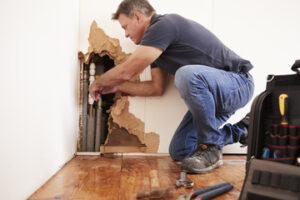
Understanding How Water Damage Spreads
Water has a unique ability to travel beyond its original entry point. Once inside a structure, moisture can move through walls, floors, and ceilings, soaking into porous materials such as drywall, insulation, wood, and carpeting. What begins as a localized issue can spread rapidly, affecting large portions of the property.
If left untreated, spreading water damage may result in:
- Warped or weakened structural materials
- Deterioration of flooring and wall surfaces
- Electrical system risks due to moisture exposure
- Persistent odors and declining indoor air quality
Expert water damage repair services focus on identifying and stopping this spread before it leads to more severe problems.
The Importance of Immediate Professional Response
Time is a critical factor in water damage repair. Within the first few hours, water begins to penetrate deeply into building materials. After 24 to 48 hours, the risk of mold growth increases significantly. Delaying repairs can lead to extensive damage that requires more invasive and expensive restoration.
Professional water damage repair services prioritize:
- Rapid assessment of the situation
- Immediate water removal to prevent further saturation
- Controlled drying to stabilize affected materials
This swift response helps limit damage and protects the long-term integrity of the property.
What Sets Expert Water Damage Repair Services Apart
Not all water damage repair approaches deliver the same results. Expertise makes a measurable difference in how thoroughly moisture is removed and how effectively the property is restored.
Specialized Knowledge and Training
Experienced technicians understand how different materials respond to water exposure. They can determine which components can be dried and restored and which require replacement. This knowledge helps prevent future issues caused by hidden moisture or incomplete repairs.
Advanced Moisture Detection
Hidden moisture is one of the biggest threats following water damage. Expert services use advanced detection tools to locate water behind walls, under flooring, and within ceilings. Identifying these areas early prevents unseen damage from worsening over time.
Proven Restoration Techniques
Expert water damage repair services follow industry-recognized procedures designed to ensure consistent and reliable results. These techniques are tailored to the specific type and severity of water damage present.
The Water Damage Repair Process Explained
A structured and methodical repair process is essential for protecting a property from further damage. Expert services follow a clear sequence of steps to ensure no detail is overlooked.
Comprehensive Inspection and Assessment
The process begins with a detailed inspection to identify the source of the water intrusion and evaluate the extent of the damage. Moisture mapping helps determine which areas are affected and guides the development of a targeted repair plan.
Efficient Water Extraction
Standing water is removed using high-powered extraction equipment. Rapid water removal reduces the amount of moisture absorbed by surrounding materials and shortens the overall drying time.
Controlled Drying and Dehumidification
After extraction, professional-grade air movers and dehumidifiers are strategically placed to remove residual moisture. Controlled drying prevents secondary damage such as warping, cracking, and microbial growth.
Cleaning, Sanitizing, and Odor Control
Water damage often introduces contaminants and unpleasant odors into the property. Expert repair services include thorough cleaning and sanitizing to restore a safe and comfortable environment. This step is especially important when water intrusion affects living or working spaces.
Structural Repairs and Restoration
Once the property is fully dry and clean, repairs can begin. Damaged drywall, flooring, insulation, and other materials are repaired or replaced to restore the property’s appearance and functionality. The goal is to return the space to its pre-damage condition while ensuring long-term stability.
Protecting Your Property from Mold and Mildew
Mold is a common and serious consequence of water damage. It thrives in damp environments and can begin growing within days of water exposure. Mold not only damages building materials but can also impact indoor air quality.
Expert water damage repair services help prevent mold by:
- Removing moisture thoroughly from all affected areas
- Applying antimicrobial treatments when appropriate
- Monitoring moisture levels throughout the drying process
By addressing moisture at its source, professional repair services significantly reduce the risk of mold-related issues.
Residential Water Damage Repair Considerations
Homes require a careful and personalized approach to water damage repair. Living spaces, personal belongings, and indoor air quality must all be protected during the restoration process.
Expert residential water damage repair services focus on:
- Minimizing disruption to daily life
- Preserving salvageable materials and belongings
- Ensuring a healthy living environment after repairs
This attention to detail helps homeowners recover quickly and comfortably.
Commercial Water Damage Repair Considerations
In commercial settings, water damage can lead to operational downtime, financial losses, and safety concerns. Expert water damage repair services understand the urgency of restoring business environments efficiently.
Key priorities for commercial properties include:
- Rapid response to reduce downtime
- Safe restoration of workspaces and common areas
- Compliance with safety and cleanliness standards
Professional services help businesses resume normal operations while protecting their assets and reputation.
How Expert Repair Services Reduce Long-Term Costs
While professional water damage repair may seem like a significant investment, it often saves money in the long run. Incomplete or improper repairs can lead to recurring damage, mold growth, and structural issues that require extensive future repairs.
Expert services reduce long-term costs by:
- Addressing hidden moisture that could cause future problems
- Using proper drying techniques to prevent material failure
- Restoring the property correctly the first time
This proactive approach protects the property’s value and longevity.
Preventative Steps to Minimize Future Water Damage
Although expert repair services are essential after an incident, prevention plays a key role in protecting properties from future damage. Regular maintenance and early detection can significantly reduce risk.
Helpful preventative measures include:
- Inspecting plumbing systems and appliances regularly
- Addressing leaks and moisture issues immediately
- Maintaining proper ventilation and humidity control
- Monitoring areas prone to water exposure
Combining preventative care with professional repair services provides comprehensive property protection.
The Value of Ongoing Monitoring and Maintenance
Even after repairs are complete, ongoing monitoring ensures that moisture levels remain stable and that no hidden issues develop. Expert services often recommend follow-up inspections to confirm the success of the restoration.
Consistent monitoring provides peace of mind and helps property owners catch potential problems early.
Long-Term Benefits of Expert Water Damage Repair Services
Expert water damage repair services offer benefits that extend beyond immediate restoration. Thorough repairs improve structural durability, enhance indoor air quality, and restore comfort and safety to the property.
Professional repair also helps identify underlying vulnerabilities, allowing property owners to take corrective action before future damage occurs.
Water damage poses a serious threat to any property, but expert water damage repair services provide the protection needed to prevent further damage and ensure effective restoration. Through rapid response, advanced moisture detection, and comprehensive repair techniques, professional services safeguard both residential and commercial properties.
By choosing expert water damage repair services, property owners can address water damage confidently, protect their investment, and restore their spaces to a safe, functional, and comfortable condition. Acting quickly and relying on professional expertise is the key to preventing long-term damage and achieving lasting property protection.
