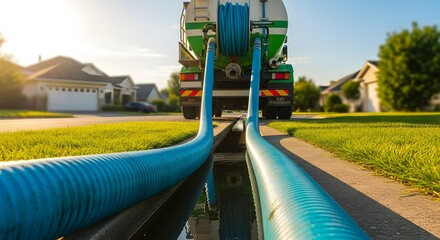
Septic tank pumping is an important part of routine maintenance that can prevent costly septic system failure. Keeping up with this service can help reduce the amount of biomat that enters your drain field, which can clog and pollute your soil and water supply. Visit https://septic-guys.com/ for more information.
Septic Tank Capacity
Typically, your septic tank needs to be pumped when the sludge and scum layers take up more than 30% of the entire volume. This can cause clogging in the drainage field and reduce efficiency. However, many factors influence how often your septic system needs to be pumped. These include the number of people living in your home, the size of your septic tank, and your water usage habits.
The septic tank collects wastewater from sinks, toilets, and showers, then holds it in an anaerobic environment where bacteria break down some of the solid waste. It also separates grease, oils, and lighter materials, which rise to the surface of the septic tank as scum. The clearer liquid in the middle of your septic tank flows out into your drain field. The sludge layer that accumulates on the bottom of your tank contains indigestible solid waste. Because it doesn’t decompose, this layer can clog your pipes and lead to drainage field failure. Regular monitoring and pumping of your septic tank reduces this risk.
A septic tank must be the right size for your household to function properly. An oversized tank costs more upfront and won’t serve you as well as a smaller one. Choosing the wrong size can lead to overflows and environmental hazards, plus you’ll face the cost of replacing your drainfield.
You can avoid a costly mistake by having your septic tank professionally inspected before buying or installing a new septic system. A professional can assess your house’s water use and family size to determine the best septic tank capacity. They’ll also look at your drainage field to ensure it can adequately handle wastewater from your septic tank.
Once you have your septic tank inspected, monitor your sludge and scum levels. If the sludge layer reaches 1 foot at the bottom of your tank or if the scum level is within 6 inches of your tank outlet, you should have it pumped out. Regular inspections and monitoring of your septic system’s condition can help you extend its lifespan and prevent costly repairs.
Garbage Disposal
As wastewater enters your septic tank, it separates into three layers. Heavy solids sink to form a sludge layer, grease and lighter materials float to the top of the tank to create a scum layer and a liquid in between is called effluent. Depending on the size of your septic tank, its location and other factors that influence how your home or business is used, a typical residential system requires regular pumping every 3 to 5 years.
The tank’s bacterial ecosystem is tuned to break down human waste. When regular loads of kitchen scraps flow into the tank, the ecosystem is disrupted, decomposition slows, and solids accumulate faster. This can lead to the inefficient and premature breakdown of your septic system, as well as soil contamination.
Your septic system’s drain field consists of a network of gravel trenches that slowly and efficiently filter and process waste from your household. When sewage flows through your plumbing, it is partially treated by bacteria in the septic tank and fully treated as it passes through the drainfield.
The septic tank is at the heart of your septic system, but it is not the entire septic treatment system. The rest of the septic system relies on your water habits and usage to help break down solids, and it requires proper maintenance and treatment to function correctly.
Regular septic system inspections and routine septic tank pumping are the best way to protect your investment. With proper maintenance, your septic tank should last decades and provide reliable sewage treatment to your property.
Many people don’t pay attention to septic system maintenance, and even those who do can still run into problems. If you don’t understand how your septic system works, what influences its needs and how to maintain it properly, you may be in for costly surprises when it breaks down. If you don’t have a professional septic tank maintenance plan, you should consider getting one to ensure your septic system operates as it should. You also should be cautious of septic tank additives. While they might seem like a quick fix to your septic tank issues, most septic professionals are skeptical of these products.
Number of People in the House
The number of people living in your home directly influences how often your septic tank needs to be pumped. Larger families require pumping more frequently due to higher wastewater volume and more solids buildup. Regular inspections help fine-tune this schedule based on your specific household usage patterns.
When your family’s waste disposal system is fully functioning, the sludge and scum layers should not reach more than 1 foot at the bottom of the tank or 6 inches at the top. These are key indicators that it’s time to schedule a tank pumping session.
However, if you plan to host social events or have guests staying at your house for a extended period of time, the septic system may be overwhelmed with more wastewater than usual. This can cause the leach field to become clogged with waste and not allow it to flow properly into the absorption area. It’s best to have the septic tank pumped prior to these large events to avoid potential damage to your leach field.
Another common reason for an overfull septic tank is the excessive use of your laundry machine. Having heavy loads of laundry run back-to-back doesn’t give your septic tank enough time to treat the wastewater before it floods your leach field with excess water. To prevent this, you can spread out the washing of heavy clothing over several days rather than completing all the laundry in one day.
You should also monitor your septic tank for warning signs that it’s full. Slow drains, unpleasant odors, and damp areas in your yard are clear indications that your septic tank is nearing its capacity and needs to be pumped soon. Keep in mind that an open septic tank is dangerous and should only be accessed by trained professionals. Falling into a septic tank can result in suffocation or drowning. It’s important to take caution around these tanks and always keep children and pets away from them. Keeping detailed records of all inspections, pumping sessions, and repairs ensures your septic system is well-maintained throughout its lifespan. These records will also prove valuable if you ever decide to sell your property.
Location
A septic system processes wastewater by separating solid waste layers, settling heavier solids into the tank for later removal, and dispersing liquids safely into the soil. Some factors, such as the number of people living in a home, can affect how quickly the tank fills and needs to be pumped. Other factors, like the use of a garbage disposal and introducing non-biodegradable materials such as wipes or feminine hygiene products, can hasten tank filling times and increase the risk of costly problems. Understanding how the tank works helps you manage your household’s water usage and reduce pumping frequency.
Despite the best of intentions, it’s easy to lose track of your septic tank’s location on your property. It’s best to place a marker at the location so it can be easily found, especially when it’s time to have it pumped out. This can be as simple as a garden stone or a decorative gnome, but it’s important to choose something heavy enough that it won’t blow away or be moved by children playing in the yard.
Another option is to map out the septic tank’s location with the help of your plumber or by consulting a diagram from the county records. This can be helpful for new homeowners as well. This is also an excellent idea for vacation homes or rental properties, since their occupancy and use changes frequently.
The most effective way to determine how often a septic tank should be pumped is to check its condition regularly. Regular monitoring of the system can alert you to any issues and prevent expensive repairs down the road. Watch for signs that your septic system is overflowing or clogged, such as sluggish drainage or sewage backups. Consistent foul odors near the drain field or tank are also warnings that it’s time to call for service.
If you’re concerned that it might be difficult to find your septic tank, talk to your plumber about using a metal probe. This tool is inserted into the ground near the sewer line, allowing you to feel around for flat concrete, fiberglass, or polyethylene that is indicative of a septic tank.