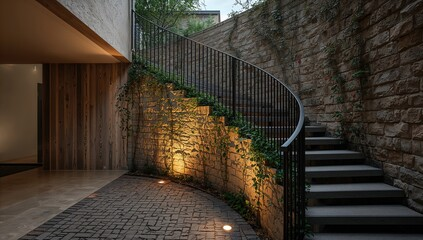
Deck railings aren’t just safety necessities—they can also boost curb appeal and enhance home value. However, selecting the right material is essential to ensuring the safety and longevity of your railings.
Unlike wood, which can rot or splinter and require regular staining, metal railings resist corrosion and weather damage. This means they require minimal maintenance beyond occasional cleaning. Visit https://www.83metalcraftboise.com/ for more details.
Cable Railings
Cable railings offer a sleek, modern look and a view-enhancing alternative to balusters. They’re commonly used on private residences with beautiful views but also on scenic decks and commercial building spaces. While they can be a bit more expensive than traditional metal railings, they typically require less maintenance and have a longer lifespan.
There are a variety of options for installing cable railings on your deck, depending on the style you’re going for and your budget. Some cable systems feature a series of posts with stainless steel cables that run between them and are tightened into place. This style of deck railing offers a minimalistic look and can be especially attractive when combined with wood handrails and posts.
Stainless steel cable railings are generally more durable than aluminum or wood and offer greater flexibility than other types of deck railing systems. They’re also easier to maintain than other types of railings, and they can be a good choice for people who have mobility issues or want a more contemporary looking deck.
Like all types of deck railing, cable railings must meet safety requirements set by local regulations. These requirements usually include a minimum height, spacing between cable strands, and force & load requirements for the structural posts. Checking with a local authority or a professional can help you ensure that your cable railing system meets these requirements.
If you choose to install your cable railing system using surface mount posts, be sure to pre-drill holes at the correct distances from each post. Creating a template with the proper hole placement can save time and ensure that all cables are evenly spaced. To install your cables, follow the manufacturer’s instructions carefully to run and tighten them in the proper sequence. Many cable systems use a crimped attachment method, which requires the use of a special hydraulic crimper. However, there are some systems that offer a slide-on process that eliminates the need for specialized tools.
Like any type of deck railing, regular upkeep is key for keeping your cable system looking its best. Inspect it regularly for signs of wear or looseness, and wipe down exposed stainless steel with a stainless steel cleaner, such as Marine 31 Polish and Sealant, to remove dirt and stains.
Aluminum Railings
The best deck railing balances style with substance, ensuring safety standards are met while enhancing the beauty of your outdoor living area. Aluminum railings are durable, low-maintenance options that look great for years to come without the need for repainting or refinishing. They also resist rusting and are highly resistant to weather damage. They’re an excellent choice for rocky or coastal areas or for homes in wildfire-prone regions where noncombustible materials are required.
Aluminum railings feature sturdy 6063 T6 grade aluminum with reinforced terminal walls, providing superior strength. They’re also lightweight, making them easier to install than other metals or wood. Many models feature a smooth surface that’s easy to clean and maintain, and they’re available in multiple finishes including textured white or black with multiple infill options. They’re also compatible with a variety of posts, allowing you to choose the infill that best suits your home or landscape.
Like steel railings, aluminum ones can be powder-coated to protect them from the elements. This extra layer of protection prevents rust and other forms of deterioration, so your deck railings will be safe and attractive for many years.
As a bonus, most aluminum systems are childproof and pet-friendly, making them a good option for households with children or pets. However, regular inspections are recommended for any railing system to ensure the integrity of the structure. For example, it’s important to check the height requirements of your jurisdiction and follow the manufacturer’s instructions for post spacing to avoid sagging or unsafe designs.
The best deck railing design is one that suits the architecture of your home and complements your outdoor space. While you’re weighing your options, remember to consider your budget and maintenance needs. Choosing a premium material like glass for high-visibility areas can be more expensive than choosing aluminum or composite for the rest of your railing, but the right combination of materials can add visual interest and provide cost-effectiveness. It’s also possible to mix different types of materials on a single deck as long as they follow safety and building codes. This is a common strategy for high-visibility areas, such as stairs and handrails, while maintaining consistency in other areas through color coordination or design elements.
Steel Railings
As with other deck elements, choosing the right metal railing is a matter of aesthetics and safety. Steel railings offer a sleek, modern look and come in a wide variety of colors and styles that can complement the exterior design of homes, while providing safety for homeowners and their guests. They also offer a level of customization not found in other materials, making it possible for homeowners to meet strict regulatory requirements.
One of the most important things to consider when selecting a deck railing is its height. The height of a deck railing is determined by local building codes and regulations that are designed to prevent people from falling off the deck. For this reason, it’s essential to understand the requirements in your area before constructing a deck or installing a new railing.
Local code regulations usually dictate the maximum height of a deck railing and the distance between balusters (also known as spindles). These specifications are not only designed to prevent falls but also to make it more difficult for small children to endanger their lives by getting stuck in between railings.
Homeowners and contractors can choose from a number of different materials for their deck railings, including wood, aluminum, and stainless steel. Each material offers a unique look and requires different levels of maintenance. Wood is a popular choice due to its natural beauty, but it must be treated and stained regularly to protect against damage from harsh weather conditions.
On the other hand, aluminum and steel railings are more durable than wood. They are less prone to damage from moisture, and they can withstand stronger winds. In fact, aluminum can even be used for oceanfront decks due to its ability to resist corrosion from saltwater and other environmental contaminants.
Stainless steel is another durable option for deck railings, and it comes in a variety of finishes to complement any style. However, it may not be the best choice for decks located in colder climates, since the metal can expand and contract more than other materials during changing temperatures. This shift in size can create a gap between the posts that could lead to structural failure over time.
Wood Railings
Homeowners and pros alike have plenty of options when it comes to products for outdoor living spaces. That’s a good thing, since each choice affects both safety and aesthetic appeal for years to come. Deck railings are no exception, with a wide variety of styles and technologies to consider for your project.
The first step in choosing a railing is determining its material. Wood, metal, glass and composite systems are all available, each with advantages for specific purposes and environments. For example, aluminum and composite systems are often the safest, as they’re designed to withstand impact, without deteriorating or weakening over time like wood can. These systems also require less maintenance, as they don’t rust or crack.
Once you’ve settled on the material, it’s time to decide on a design. The choices range from classic picket designs to more contemporary cable or glass infill systems. The design should fit the architectural style of your home, as well as any privacy considerations you may have.
Finally, you’ll need to determine the height of the railing, and how far apart the posts should be. Check local building codes for the appropriate requirements for your area. As a general rule, residential deck railings must be at least 36 inches high, and some areas have higher requirements for elevated decks and those located in regions prone to strong wind or snow loads.
In addition to its height, a railing must be strong enough to hold people leaning against it or falling over it. A quality, premium railing system should be able to withstand a 200-pound force concentrated anywhere along its length, which is roughly the weight of a grown adult.
Once your railing is installed, you’ll want to give it a shake and make sure that it’s stable. Check the connections and hardware, and make sure that all sections are attached securely to the posts. Be sure to check for any gaps that could be used by children to climb over, as well as any objects or furniture that might obstruct the stability of your deck or railings.
Visit our Professional Services Blogs
Chris Atkins Lawncare, Atticus Landscaping, Treasure Coast Pressure Wash, Gulf Beach Plumbing, Marlborough Plumbing, Guns And Hoses Pressure Washing, Ambrose Construction, Coral Gables Pressure Washing, Willco Photography, Roofing Akron, Danalogsdon Roofing El Cajon, EC Siding Roofing Windows, Aurora Gutter, American Insurance Source, ECO, etdn, Denison Service League, Roofing Blog, Atlantic Vinyl Windows, Brookshires Fireplaces, JD Advanced Remodeling, Product Judgment, Master Dry Foundation Repair, Moe’s Hip, Elta Patio Paramount, Rock Around The Clock Festival, Learn, Play, Beyond, MoralesT Gardening, Car Window Tinting Perth, Duncan Carpentry, Gatestone Lighting, Mid Missouri Mold Inspections, Stucco Repair Albuquerque, Wausau Siding Hire, Munster Tree Care, Blue Granite Homes, Custom House, CENTRAL OS, Atlanta Pavers, Phillips Law Firm, Brent Ryder Masonry, Walker Construction Drywall Division, RJ Law, Caledon Plumbing, DDS Tech USA, Maine Mortgage Services, Inckpen, Seasons at Rose Creek, Cottonwood Place Dental, Cosmetic Laser 2000